7 Most Commonly Overlooked Truck Maintenance Tasks You Shouldn't Ignore | OURI
 Jun 29 , 2026
You change the oil on schedule. You check the tires. You replace the brake pads when they start squealing. These are the maintenance tasks every truck operator knows by heart. But what about the components that don't announce their failure with a warning light or a loud noise? What about the parts that quietly wear down over tens of thousands of miles, only to cause a costly breakdown when you least expect it?
Most fleet managers and owner-operators follow a preventive maintenance routine that covers the basics. Yet even the most disciplined operators miss certain items—not because they're negligent, but because these components are out of sight, out of mind, or simply not on the standard checklist. This guide highlights seven of the most commonly overlooked truck maintenance tasks. Addressing them won't make headlines, but it will keep your trucks on the road and your repair bills under control.
1. Air Dryer and Air System Components
The air system is the lifeblood of a heavy-duty truck's braking and suspension functions. Yet the air dryer—the component responsible for removing moisture from the air before it enters the brake system—is frequently neglected.
When the air dryer's desiccant cartridge becomes saturated with moisture, it can no longer effectively dry the air. Moisture accumulates in the air tanks, corrodes valves and lines, and can freeze in cold weather, leading to reduced braking efficiency or complete brake failure.
What to do: Replace the air dryer cartridge at the manufacturer's recommended intervals. Drain air tanks daily—or at least weekly—to remove accumulated moisture. Inspect air lines for chafing and damage, and check the purge valve heater before winter. According to one industry source, air dryer cartridges and cabin air filters are "probably the two most overlooked filters on a truck".
2. Electrical Connections and Grounds
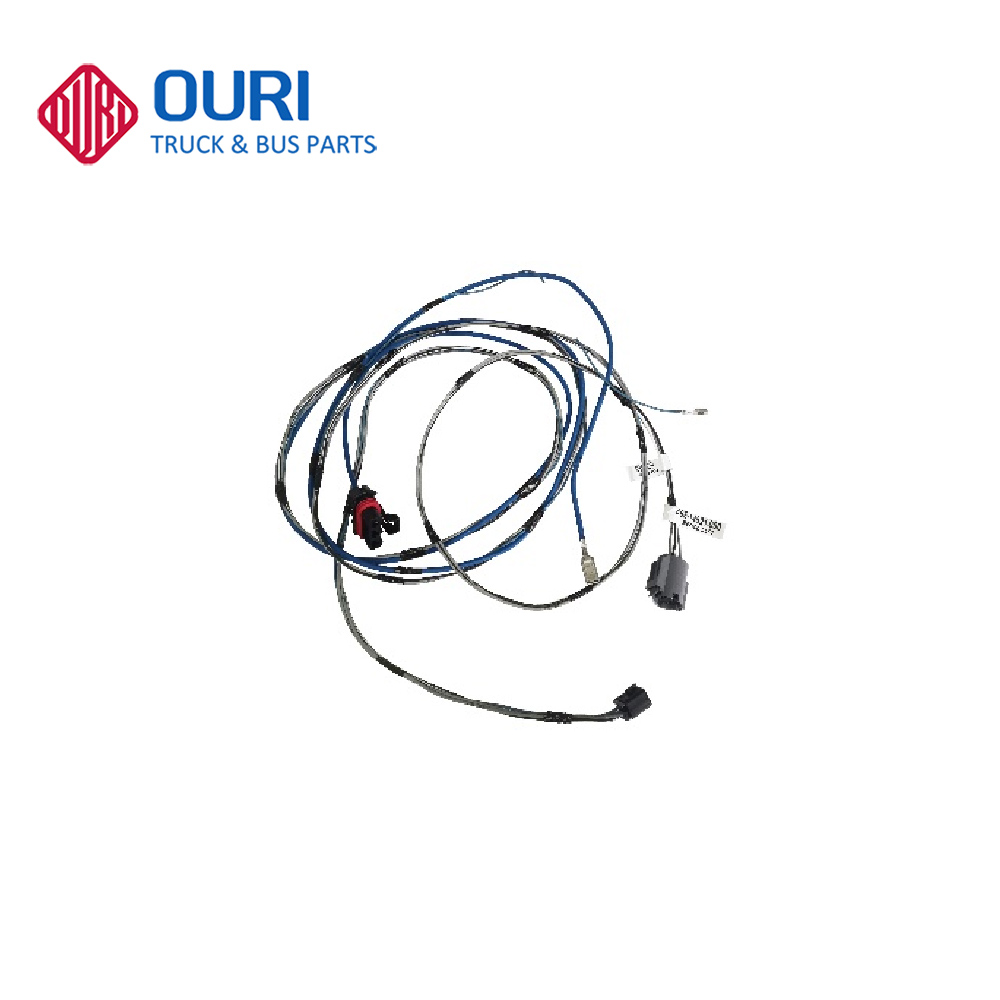
Modern trucks rely on complex electronic systems for engine management, emissions control, instrumentation, and safety features. But the electrical system is only as reliable as its connections.
Loose or corroded battery terminals, grounding points, and wiring connections can trigger warning lights, sensor faults, or intermittent issues that are notoriously difficult to diagnose. A poor ground connection can cause everything from false check-engine lights to starting problems. Consistent electrical maintenance—including regular battery load testing, voltage-drop analysis, and cleaning of grounds—reduces diagnostic guesswork and prevents over-the-road failures.
What to do: During routine maintenance, inspect battery terminals for corrosion and ensure cables are tight. Check grounding straps for secure attachment and clean contact surfaces. Consider voltage-drop testing as part of your PM schedule.
3. Cooling System Hoses and Clamps
Cooling system maintenance often stops at checking coolant levels and antifreeze strength. But hoses and clamps deserve just as much attention—and they're frequently overlooked.
Heat, pressure, and age can weaken hoses from the inside out. A hose may look fine on the outside while the inner liner is deteriorating. When a hose or clamp fails, coolant loss can happen suddenly, leading to overheating and potentially catastrophic engine damage. As one fleet maintenance expert noted, "coolant hoses" are among the top three most overlooked maintenance items for work trucks.
What to do: Inspect hoses for soft spots, cracking, bulging, or signs of coolant residue at connection points. Squeeze hoses to check for sponginess—a sign of internal degradation. Replace hoses proactively rather than waiting for a visible leak. Check clamp tightness and replace any that show signs of corrosion.
4. Driveline and U-Joints
Driveline components are easy to forget because they're out of sight beneath the truck. But U-joints and carrier bearings play a critical role in delivering power smoothly from the transmission to the wheels.
When U-joints lack proper lubrication, they wear prematurely. The resulting vibration can damage seals, bearings, and even the transmission output shaft. Neglected driveline maintenance can lead to costly failures that could have been avoided with regular greasing during PM services. Non-sealed U-joints are among the most neglected lubrication points on the tractor.
What to do: Include driveline components in your lubrication schedule. Grease U-joints and slip yokes at every PM interval—or at least every 10,000 to 15,000 miles. Listen for vibrations or clunking sounds when accelerating or decelerating, which may indicate worn U-joints.
5. Suspension Bushings and Mounts
Suspension systems absorb constant stress from heavy loads and rough road conditions. While shocks and airbags are routinely checked, smaller components like bushings and mounts are frequently missed—and they matter more than you might think.
Worn bushings can cause uneven tire wear, poor handling, and added stress on other suspension components. They can also lead to loss of initial manufacturer's alignment, as worn bushings on air ride suspensions are a leading cause of alignment issues. Catching wear early helps maintain ride quality and reduces long-term repair costs.
What to do: Inspect suspension bushings for cracking, deformation, or excessive play during routine maintenance. Check and torque suspension hardware, as vibration can cause bolts to loosen over time. Lubricate non-sealed bushings according to manufacturer recommendations.
6. Exhaust Aftertreatment Filters
Modern diesel trucks are equipped with sophisticated emissions control systems. Two filters within these systems are particularly prone to being overlooked: the Diesel Exhaust Fluid (DEF) filter and the Closed Crankcase Ventilation (CCV) filter.
The DEF filter is part of the Selective Catalytic Reduction (SCR) system. When it isn't replaced at recommended intervals, urea crystals and other contaminants can cause the SCR system to malfunction. Owner-operators have noted that the DEF filter is a common oversight—it's "a simple filter at the bottom of your DEF tank" that's easy to change and inexpensive, yet many people overlook it. Let it go too long and the truck throws a fault code, leading to expensive dealer diagnostics.
The CCV filter is even more obscure. On diesel engines, it separates oil from blow-by gases before they're rerouted into the intake. As the filter loads up with oil residue and soot, crankcase pressure builds. Oil vapor bypasses the separator and coats the intake manifold, intercooler core, and turbo compressor wheel—accelerating wear and degrading performance. By the time the driver notices, the repair ticket is far more painful than a simple filter replacement would have been.
What to do: Replace the DEF filter at the manufacturer's recommended interval—typically between 120,000 and 200,000 miles depending on the platform. For the CCV filter, inspection intervals vary by engine; on the 6.7L Cummins, technicians recommend inspecting it every 15,000–20,000 miles under heavy-use conditions. Watch for warning signs: oily residue inside intake boots, unexplained oil consumption, or blue-tinged exhaust.
7. Grease Points and Lubrication
Greasing is one of the simplest maintenance tasks—and one of the most commonly skipped. Every grease point on a Class 5 through Class 8 truck exists because metal is moving against metal, and without lubrication, that contact generates heat, friction, and eventually failure.
Skipped grease points on steering and suspension components accelerate wear and shorten component life. Kingpins, tie rod ends, spring pins, shackles, and fifth-wheel pins are all frequently neglected. As one industry observer put it, "Spring pins and shackles support the suspension system and will happily destroy themselves through metal-on-metal contact if you let them".
What to do: Follow manufacturer-recommended lubrication intervals for every grease point on the truck and trailer. Use the correct grease type for each application—molybdenum disulfide grease is formulated for high-friction contact points like kingpins and tie rods. Keep a lubrication log to track when each point was last serviced.
Overlooked vs. Routine Maintenance: A Quick Comparison
To put these overlooked tasks in perspective, here's how they compare to routine maintenance items in terms of cost and consequence:
| Maintenance Category | Examples | When It Fails | Cost of Neglect |
|---|---|---|---|
| Routine | Oil changes, tire pressure, brake pads | Gradual wear, predictable | Moderate—scheduled replacement |
| Overlooked | Air dryer cartridge, DEF filter, grease points, suspension bushings | Sudden or gradual, often misdiagnosed | High—can cause secondary damage to expensive components |
The pattern is clear: overlooked items don't always fail dramatically. But when they do, they often take other components with them. A neglected CCV filter doesn't just need replacing—it may have already coated the turbo and intercooler with oil residue. A skipped grease point on a U-joint doesn't just mean a dry joint—it can lead to driveline vibration that damages seals and bearings. A failed cooling hose doesn't just leak coolant—it can overheat and destroy an engine.
Building a System to Catch What You're Missing
The best defense against overlooked maintenance is a systematic approach. Here's a practical framework:
1. Start with a comprehensive checklist. Your PM checklist should include not just the obvious items but also the ones listed above. If it's not on the checklist, it's unlikely to get done.
2. Train drivers to spot warning signs. Drivers spend hours in the cab and are often the first to notice issues. Encourage them to report minor problems—stiff seat belts, mirrors that won't stay put, interior lights that don't work—before they become major annoyances or safety issues.
3. Keep detailed maintenance records. Tracking when each component was last serviced—not just oil changes—helps ensure nothing falls through the cracks. As one owner-operator noted, tracking devices and record-keeping systems help answer questions like "when did we lube it, when did we change tires".
4. Schedule seasonal inspections. Certain overlooked items become more critical in specific seasons. Before winter, check the air dryer purge valve heater, coolant freeze point, and battery condition. Before summer, pay extra attention to cooling system hoses and battery terminals.
Next Steps: From Checklist to Action
Once you've identified these commonly overlooked maintenance areas, the next step is to incorporate them into your regular PM schedule. A systematic approach to preventive maintenance—covering both the obvious and the easily missed—will keep your trucks running longer, reduce unexpected downtime, and lower your total cost of ownership.
Once you have clarified these key maintenance priorities—such as air system care, electrical system reliability, and proper lubrication—comparing the specific parts and components available for your fleet becomes the next logical step. You can review OURI's comprehensive product range for high-quality replacement parts that meet your maintenance needs.
Related Reading
-
How to Source Heavy Duty Truck Parts from China: A Step-by-Step Guide
-
Understanding OEM vs. Aftermarket Truck Parts: What Your Fleet Really Needs
-
Is Outsourcing Your Truck Parts Supply Chain Cost Effective for B2B?
-
How to Select Cooling System Parts for Heavy Trucks
This article is part of OURI's technical content library. No direct sales or pricing information is included. All technical discussions aim to help you make informed purchasing decisions.