How to Source Heavy Duty Truck Parts from China | A Step-by-Step Guide | OURI
 Jun 24 , 2026
You have identified the need for heavy duty truck parts—perhaps for a fleet you manage, a repair network you operate, or a distribution business you are growing. You have heard that China offers competitive pricing and vast manufacturing capacity. But where do you actually start? How do you separate reliable suppliers from those who cannot deliver on quality or timelines? What steps should you take to protect your business from costly mistakes?
This guide walks you through a practical, step-by-step framework for sourcing heavy duty truck parts from China. You will learn how to identify the right manufacturing regions, evaluate suppliers beyond the price quote, verify quality through documentation and sampling, and manage logistics and risk—all without getting lost in the complexity of cross-border procurement.
Understanding China’s Truck Parts Manufacturing Landscape
Before you start contacting suppliers, it helps to understand where different types of parts are made. China’s truck parts industry is organized into specialized regional clusters. Knowing these concentrations can help you target suppliers whose capabilities align with your needs.
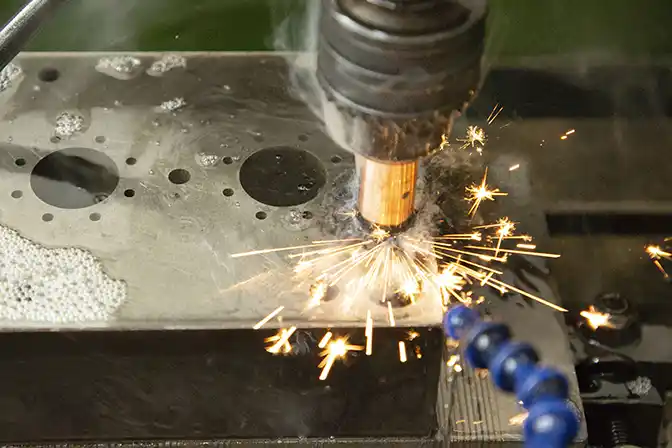
Shandong Province is a powerhouse for heavy-duty truck components. Home to SINOTRUK’s headquarters in Jinan, this region hosts a dense network of manufacturers producing engines, axles, transmissions, and chassis systems. Industrial parks in Jinan and Qingdao integrate foundries, CNC machining centers, and final assembly lines within close proximity, reducing lead times by up to 40% compared to decentralized production models.
Zhejiang Province, particularly Ningbo and Shaoxing, has emerged as a center for high-precision auto fittings and export-oriented manufacturing. Suppliers here often operate vertically integrated facilities capable of end-to-end production—from raw material processing to final assembly. This integration enhances quality control and supports custom OEM/ODM projects efficiently.
Guangdong Province offers strong capabilities in electronics-integrated truck components such as sensors, lighting systems, and telematics modules. Its proximity to Hong Kong and Shenzhen makes it ideal for tech-forward sourcing and rapid export logistics.
Hubei and Hebei Provinces host clusters of vertically integrated manufacturers with access to raw materials, precision machining infrastructure, and export logistics networks. Suppliers in these zones typically operate multi-capability facilities equipped with CNC machining centers, forging lines, robotic welding cells, and surface treatment systems. This end-to-end control enables consistent part tolerances and durability, especially for safety-sensitive components like brake assemblies and suspension systems.
For international buyers, sourcing from these concentrated clusters translates into shorter lead times (typically 3–6 weeks for standard items) and greater flexibility in order scaling.
To explore the range of components available from a supplier with broad product coverage across multiple vehicle systems, you can review the comprehensive product catalog.
1. Define Your Requirements Clearly
Before you reach out to any supplier, you need to know exactly what you are looking for. Vague specifications lead to mismatched parts, delayed deliveries, and wasted negotiation time.
Start by answering these questions:
-
What part numbers do you need? If you have OEM part numbers, provide them. If not, have detailed descriptions ready—part name, dimensions, material specifications, and any regulatory requirements.
-
What are your quality standards? Do you need parts that meet ISO 9001, IATF 16949, or specific regional standards like FMVSS or ECE? For safety-critical components like brake systems, suspension arms, or steering linkages, these certifications are non-negotiable.
-
What is your order volume and timeline? Knowing your minimum order quantity (MOQ) and desired delivery schedule helps suppliers assess whether they can accommodate your needs.
-
What are your logistics requirements? Clarify your preferred Incoterms to avoid hidden charges later.
Having this information documented before you start contacting suppliers will save you time and help you compare like-for-like proposals.
2. Identify and Shortlist Potential Suppliers
With your requirements defined, the next step is to find suppliers whose capabilities match your needs.
Use multiple channels to build your shortlist:
-
B2B platforms like Alibaba.com and Made-in-China.com offer access to thousands of verified suppliers. Look for suppliers with verified transaction histories, positive ratings, and participation in platform assurance programs.
-
Industry referrals from peers, trade associations, or logistics partners can provide trusted recommendations.
-
Trade shows and industry exhibitions in China offer opportunities to meet suppliers face-to-face and inspect product quality directly.
When reviewing potential suppliers, look for these indicators:
-
Certifications: Prioritize suppliers with IATF 16949 or ISO 9001 certification. These credentials indicate adherence to rigorous production processes and consistent quality control.
-
Facility size and capacity: Larger facilities typically offer better consistency and can handle bulk demands without compromising timelines. Look for factories exceeding 1,000 m² to ensure sufficient production space.
-
Engineering team: At least 10 dedicated technical staff suggests R&D capability and problem-solving agility.
-
Performance metrics: Look for on-time delivery rates ≥95%, response times under 4 hours, and reorder rates above 20%—all of which indicate reliable operations.
3. Conduct Supplier Due Diligence
Once you have a shortlist, it is time to verify supplier claims. Do not skip this step—it is your primary defense against quality issues, delivery delays, and financial loss.
Request and verify documentation:
-
Business license: Verify through China’s State Administration for Market Regulation or equivalent local commerce bureaus.
-
Certification copies: Request valid certificates for ISO 9001, IATF 16949, or other relevant standards. Cross-check certification numbers with issuing bodies.
-
Material test reports: For critical components like axles, brake pads, or engine assemblies, request documentation covering material certifications, dimensional inspection reports, and stress testing results.
-
Mill test certificates: For raw materials used in high-stress applications like piston rods or differential housings, demand heat treatment records and chemical composition reports.
Conduct virtual or on-site factory audits:
-
Use video calls to inspect machinery, workflow organization, and inventory management practices.
-
If possible, visit the factory in person—or hire a third-party inspection agency like SGS, Bureau Veritas, or TÜV to conduct an audit on your behalf.
Check third-party verification:
-
Look for suppliers who have been verified by independent platforms or inspection agencies.
-
Request recent third-party inspection reports confirming dimensional compliance with technical drawings.
A thorough due diligence process may take time, but it significantly reduces the risk of partnering with an unreliable supplier.
4. Verify Quality Through Sampling and Testing
Documentation tells you what a supplier claims to deliver. Sampling tells you what they actually deliver.
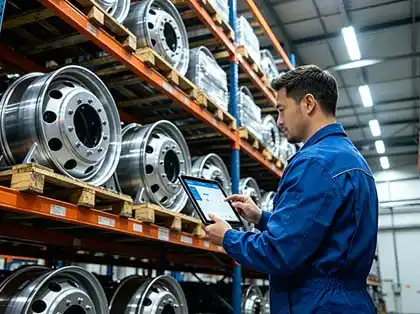
Request physical samples before placing a bulk order. This step can help you avoid costly mistakes and ensure you get the product that best meets your needs.
What to test on samples:
-
Fitment: Does the part fit the intended vehicle model without modification?
-
Material composition: Does the material match the specified grade and hardness?
-
Dimensional accuracy: Are the measurements within acceptable tolerances?
-
Performance under stress: For safety-critical components like suspension arms or brake systems, request stress testing results.
Implement a three-phase verification strategy:
-
Virtual factory audits: Use video calls to inspect production processes.
-
Third-party inspection reports: Require recent reports from agencies like SGS, Bureau Veritas, or TÜV.
-
Pre-shipment sampling: Conduct random inspections before shipment release.
Some suppliers offer sample units for fitment testing—crucial when replacing core powertrain components across mixed vehicle fleets.
5. Negotiate Terms and Place Your Order
Once you have verified quality through sampling, it is time to formalize the relationship.
Key terms to clarify before placing an order:
-
Pricing: Understand the unit price, any volume discounts, and how currency fluctuations might affect costs.
-
Payment terms: Use secure payment methods such as trade assurance or escrow services tied to shipment milestones. Consider milestone-based payments (deposit, pre-shipment inspection, post-delivery clearance) to reduce risk.
-
Lead time: Confirm production and delivery timelines. Standard items typically take 3–6 weeks.
-
Warranty: Insist on at least a 12-month defect liability warranty and batch-specific documentation for heat-treated parts.
-
Customization: If you need branded or application-specific components, confirm the supplier's capabilities for material grade, dimensional specs, color finishes, labeling, and packaging.
Put everything in writing. A detailed purchase agreement that covers specifications, quality standards, delivery terms, payment milestones, and warranty provisions protects both parties.
6. Manage Logistics and Shipping
Getting your parts from the factory to your warehouse requires careful logistics planning.
Understand shipping options:
-
Less than Container Load: Suitable for smaller orders.
-
Full Container Load: More cost-effective for larger volumes.
Clarify Incoterms to avoid hidden charges. Common terms include:
-
Free on Board: Supplier covers costs up to the port of loading.
-
Cost, Insurance, Freight: Supplier covers costs, insurance, and freight to the destination port.
-
Delivered Duty Paid: Supplier covers all costs including import duties—the most comprehensive option.
Factor in import duties for your country. For example, the EU charges 4–10% for truck parts. Research your local tariffs before finalizing your order.
Plan for customs clearance by ensuring all documentation—commercial invoice, packing list, bill of lading, and certificates of origin—is complete and accurate.
7. Build a Long-Term Partnership
Sourcing is not a one-time transaction. The most successful buyers treat supplier relationships as long-term partnerships.
What to monitor after your first order:
-
Quality consistency: Does every batch meet the same standards as your initial samples?
-
Delivery reliability: Does the supplier consistently meet agreed timelines?
-
Communication responsiveness: Does the supplier address your questions and concerns promptly?
-
After-sales support: Does the supplier stand behind their products when issues arise?
Suppliers who demonstrate strong performance across these dimensions are worth investing in. A reliable partner can help you scale your business, reduce procurement overhead, and navigate supply chain disruptions more effectively.
Once you have clarified these key decision factors—such as required part types, quality standards, and logistics preferences—comparing the specific capabilities of available suppliers becomes the next logical step. You can review OURI’s comprehensive product range and service offerings for high-volume procurement scenarios or specialized component needs.
Related Reading
-
How to Choose the Right Heavy Duty Truck Parts Supplier in 2026
-
Understanding OEM vs. Aftermarket Truck Parts: What Your Fleet Really Needs
-
How to Select Cooling System Parts for Heavy Trucks
-
Does the European Truck Common Rail System Meet the Needs of High-End European Heavy-Duty Trucks?
This article is part of OURI’s technical content library. No direct sales or pricing information is included. All technical discussions aim to help you make informed purchasing decisions.