How Can I Tell If My Exhaust System for Truck Parts Needs Replacement Before a Breakdown?
 Jul 28 , 2026
Truck exhaust systems don't fail without warning. They give you signs—sometimes subtle, sometimes impossible to ignore—long before they leave you stranded on the side of the road. The real question is whether you're paying attention to them.
Most fleet managers and owner-operators know the feeling: a truck that doesn't sound quite right, a slight hesitation on acceleration, a fuel bill that creeps up for no obvious reason. These aren't random occurrences. They're your exhaust system for truck parts telling you something is wrong. The challenge is knowing what to look for and when to act before a small problem turns into a major repair.
The Sounds That Should Never Be Ignored
Your truck's exhaust system has a distinct voice when everything is working properly. When that voice changes, it's worth listening closely.
Ticking or tapping on a cold start is one of the most common early warnings. If you hear a rhythmic tick when you first fire up the engine that fades as the engine warms up, you're likely dealing with an exhaust manifold leak. The manifold expands as it heats, temporarily sealing the gap. But if the tick persists even when the engine is hot, the leak has grown.
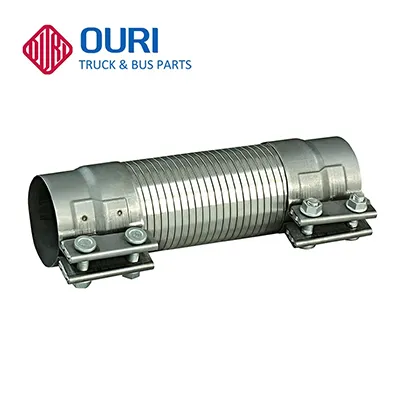
Hissing or whistling points to a different problem. These sounds usually mean exhaust gases are escaping through a crack or a loose connection, often in the flex pipe section. And if you hear rattling, banging, or clunking from underneath the truck, that's almost always a sign that clamps or brackets have loosened or corroded. Exhaust systems on heavy-duty trucks are heavy. When the hardware holding them up fails, sections drop and put stress on adjacent joints.
Don't dismiss these noises as "just the way the truck sounds." They're your first and clearest warning that your exhaust system for truck parts needs attention.
What Your Nose Can Tell You
Smell is another reliable indicator. If you catch a strong exhaust odor inside the cab, that's a serious red flag. On cab-over trucks, a leaking exhaust can allow fumes directly into the driver compartment—not just unpleasant, but a health hazard.
A burning smell—like rubber or plastic—suggests exhaust gases are escaping into the engine bay where they can melt wiring, hoses, or other sensitive components. And if you notice a rotten-egg stench, that's often a sign your catalytic converter has failed. These smells aren't just inconvenient; they're your truck telling you that something in the system is compromised.
Performance Changes You Can Feel
Sometimes the warning signs aren't audible or olfactory—they're things you feel behind the wheel.
Loss of power is one of the most obvious symptoms. If your truck feels sluggish on acceleration, struggles to maintain speed on grades, or just doesn't respond the way it used to, restricted exhaust flow could be the culprit. A cracked manifold allows exhaust gases to escape before they reach the turbo, reducing boost pressure and robbing the engine of power.
Poor fuel economy almost always follows. When your engine has to work harder against backpressure or compensate for lost efficiency, it burns more fuel. The reduction can be significant enough to affect your operating budget.
And if your truck is going into regeneration more frequently than it used to, pay attention. Frequent regen attempts—especially failed ones—often point to a clogged DPF or another issue in the exhaust aftertreatment system.
The Visual Clues Underneath
Get under the truck and look. It's simple, but it's one of the most effective things you can do.
Rust and corrosion are obvious but easy to overlook. If you live in a region with road salt or high humidity, your exhaust pipes are under constant attack. Moisture that builds up overnight and doesn't burn off during short trips accelerates corrosion from the inside out. Small rust holes can grow into major leaks faster than you'd expect.
Soot deposits around joints, clamps, or the manifold indicate active leaks. Clean exhaust systems don't leave black marks. Any dark residue is evidence that gases are escaping before they should.
Excessive movement is another giveaway. Grab the tailpipe and try to wiggle it. If it moves more than it should, hangers or brackets have failed. Similarly, look for cracked welds, split seams on mufflers, or pinholes in tubing. These are all signs that replacement is overdue.
What the Dashboard Is Trying to Tell You
Modern trucks are equipped with sensors that monitor just about every aspect of the exhaust system—and they're not shy about letting you know when something's wrong.
A check engine light is the most obvious signal, but don't wait for it to come on before taking action. By the time the light illuminates, the problem has already been detected and logged. If you have access to diagnostic tools, read the codes early and often.
More specific warnings—like DPF messages, DEF quality alerts, or SCR system faults—are even more direct. Sensors in exhaust emission control systems are among the most failure-prone components on modern trucks. A faulty DEF quality sensor can trigger engine derate, forcing you to slow down or stop entirely.
Ignoring these warnings doesn't make them go away. It makes them worse.
The Real Cost of Waiting
Every warning sign mentioned above is an invitation to act before a breakdown occurs. The cost of replacing a flex pipe, a clamp, or even a manifold is measured in hundreds of dollars. The cost of a tow, lost revenue, and an emergency repair on the road can easily run into the thousands—not to mention the downtime.
A failing exhaust system for truck parts doesn't just affect the exhaust. It can damage surrounding components, including sensors, wiring, and even the turbocharger. What starts as a small leak can become a cascade of failures if left unchecked.
Summary
Your truck's exhaust system is constantly communicating with you. The question is whether you're listening.
What to take away:
Unusual noises—ticking, hissing, rattling—are the earliest and clearest warnings.Smells, especially exhaust odor in the cab or burning rubber, demand immediate attention.Performance loss and declining fuel economy are signs your engine is working harder than it should.Visible rust, soot, and loose components under the truck are easy to spot and impossible to ignore.Dashboard warnings exist for a reason—read them and act on them.
Need a Reliable Exhaust System for Truck Parts?
Whether you're replacing a single component or overhauling the entire system, we can help. Our team understands the specific demands of heavy-duty applications and can guide you toward the right parts for your truck model and operating conditions—before a warning sign turns into a breakdown.