What to Look for in a Truck Parts Exhaust System Before You Buy
 Jul 23 , 2026
If you run a fleet or maintain your own heavy-duty truck, you already know the exhaust system isn't just about noise control anymore. Modern emissions regulations, tighter fuel margins, and the sheer cost of downtime have turned exhaust system maintenance into a serious operational concern. But here's the thing—most truck parts exhaust system offerings on the market look pretty similar on the surface. Prices vary widely. Spec sheets read like marketing fluff. What actually separates a system that lasts from one that becomes a recurring headache?
Choosing a truck parts exhaust system is a long-term decision. Get it wrong, and you're looking at frequent regen cycles, failed emissions tests, power loss, and repair bills that compound faster than you'd expect. Understanding what makes an exhaust system reliable and cost-effective matters more than just chasing the lowest price tag.
How Do You Spot Exhaust System Problems Before They Cost You a Week of Downtime?
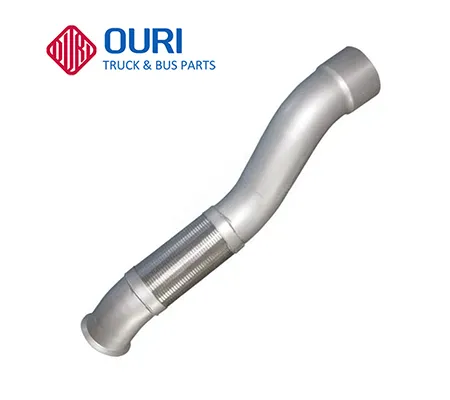
Truck exhaust systems operate under brutal conditions—extreme heat, constant vibration, and corrosive environments. The symptoms of a failing system are often there long before a check engine light comes on. The most common failure points are flex pipe sections, which are deliberately designed to absorb engine movement and vibration, meaning they fatigue before rigid pipework does. A rhythmic blowing or hissing sound that increases with engine speed is usually the first audible warning.
Mounting brackets and clamps are the next most frequent failure point. Exhaust systems on heavy trucks are heavy, and corroded or fatigued clamps let sections drop, stressing adjacent joints. During routine inspections, check for soot deposits around joints or clamps—that's a clear sign of leakage. Also pay attention to unusual smoke colors: black often indicates incomplete combustion, blue suggests oil burning, and white may point to coolant entering the combustion chamber. Catching these signs early can turn a minor repair into a simple fix instead of a major overhaul.
What Does Proper Maintenance of a Truck Parts Exhaust System Actually Look Like?
Maintenance isn't glamorous, but it's the single biggest factor in extending the life of your exhaust components. Start with regular visual inspections—look for rust, cracks, or loose parts underneath the truck. Check the inlet and outlet tubes for leakage, dents, and corrosion. Inspect U-bolt clamps for tightness and tighten as needed.
The aftertreatment side deserves special attention. Diesel Particulate Filters (DPF) typically require professional cleaning every 150,000 to 200,000 miles, though trucks used in stop-and-go urban operations may need service sooner. Between cleanings, monitor regeneration frequency—if your truck is regenerating more often than usual, that's a red flag. Also ensure you're using high-quality Diesel Exhaust Fluid (DEF) and that DEF tank heaters are working properly, especially in colder weather. Regular EGR system cleaning to prevent carbon buildup is equally critical. Consistent maintenance of these components isn't optional—it's the difference between a system that runs reliably for years and one that fails when you need it most.
How Do You Choose the Right Truck Parts Exhaust System for Your Application?
Selection starts with understanding your truck's specific requirements. Exhaust components are make and model-specific. Confirm the chassis number and engine type when ordering to ensure the correct flex pipe diameter, silencer mounting configuration, and clamp sizes. A part that almost fits is a part that will fail prematurely.
Material quality is non-negotiable. Stainless steel grades like 304 and 409 offer excellent corrosion resistance and durability, making them ideal for heavy-duty applications exposed to road salt and moisture. Mandrel-bent tubing maintains consistent diameter through bends, reducing restrictions and improving flow. Pipe diameter also matters—match it to your engine's power output for optimal performance.
Emissions compliance should be at the top of your checklist. Euro 5 and Euro 6 trucks have more complex exhaust systems that typically include a DPF, an SCR catalyst, and associated temperature and NOx sensors. Replacement of these components requires specific procedures to avoid damaging sensors. For fleets operating across multiple jurisdictions, ensuring your truck parts exhaust system meets local emissions standards is not just good practice—it's legally required.
What Makes a Truck Exhaust System Reliable Over the Long Haul?
Reliability comes down to three things: component quality, proper installation, and consistent maintenance. A well-designed exhaust system does more than just channel fumes away—it plays a critical role in engine performance, emissions control, and driver safety. The muffler reduces noise for driver comfort. The exhaust pipes keep toxic gases like carbon monoxide away from the cab. The turbocharger relies on consistent exhaust flow to deliver the power and fuel efficiency you depend on.
When one component fails, it puts stress on everything else. A cracked exhaust manifold can lead to power loss, increased emissions, and higher fuel consumption. A clogged DPF forces the engine to work harder, reducing efficiency and increasing fuel use. That's why investing in a quality truck parts exhaust system—and maintaining it properly—pays for itself in reduced downtime and lower operating costs.
What to take away:
Regular visual inspections catch most issues before they become costly repairs.DPF cleaning every 150,000–200,000 miles keeps aftertreatment systems performing.Material quality and vehicle-specific fitment are non-negotiable for long-term reliability.Emissions compliance isn't optional—know what your truck requires.
Ready to Upgrade or Replace Your Exhaust Components?
Whether you're troubleshooting a persistent exhaust leak, planning preventive maintenance, or sourcing replacement parts for your fleet, getting the right truck parts exhaust system matters. Our team can help you identify the correct components for your specific truck model, engine type, and application requirements.