OEM vs Aftermarket Truck Parts: Which is Better for Your Fleet?
 May 23 , 2026
Every fleet manager knows the feeling: a truck goes down unexpectedly, and you’re staring at a repair bill that could either keep you rolling or sink your weekly margin. The question isn’t new, but the answer keeps shifting as aftermarket quality improves and OEM pricing climbs. Should you stick with genuine manufacturer parts, or switch to high-grade aftermarket alternatives?
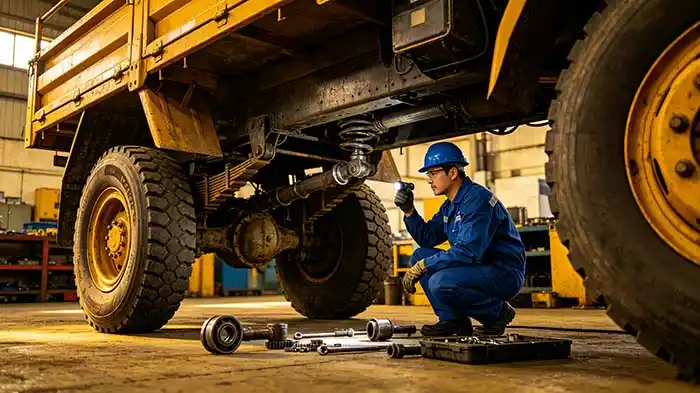
To cut through the noise, let’s compare OEM and aftermarket truck parts across five critical dimensions: quality consistency, total cost of ownership, warranty coverage, supply chain speed, and real-world performance. Then we’ll look at which strategy fits different fleet profiles – and where you can find fleet-grade replacement parts that strike the right balance.
Quality & Manufacturing Standards
Original Equipment Manufacturer (OEM) parts come from the same assembly lines that built your truck. They meet exact factory specifications – no surprises, no guesswork. For critical safety or emissions systems, that predictability is valuable.
Aftermarket parts, however, are not a monolith. Tier-1 aftermarket suppliers often produce components that exceed OEM specifications, using improved materials or design refinements. Many aftermarket parts are actually made by the same contract manufacturers that supply the OEMs, just sold under different branding. The key is to differentiate between certified, ISO 9001‑compliant aftermarket parts and unbranded, cheap alternatives.
Total Cost of Ownership
Upfront price is only part of the story. OEM parts typically cost 30-70% more than their aftermarket equivalents. But if an aftermarket part fails twice as fast, you lose more in labor and downtime.
For non-critical components – brackets, trim, certain lighting, or non-sensor electrical parts – aftermarket units often deliver identical performance. For wear items like brake drums or suspension bushings, premium aftermarket options frequently outlast OEM because they’re designed for the harshest real-world conditions, not just test cycles.
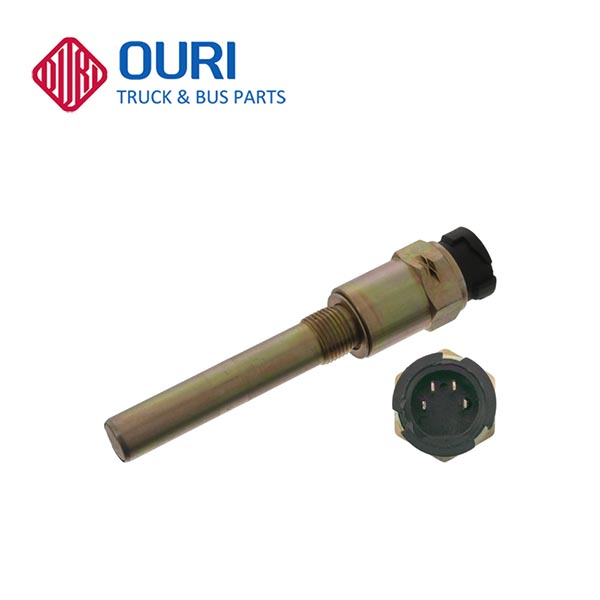
However, for a component that directly affects engine management or transmission timing, such as a vehicle speed sensing device, you want proven reliability. That’s where scrutinizing the aftermarket supplier’s testing and certification becomes critical.
Warranty & Legal Considerations
OEM parts come with the manufacturer’s warranty – typically 12 months/unlimited miles. Aftermarket warranties vary: basic economy parts may offer only 90 days, while premium lines provide 2‑year or 50,000‑mile coverage.
Be aware of the Magnuson-Moss Warranty Act: In the US, using aftermarket parts cannot void your truck’s factory warranty unless the aftermarket part directly caused the damage. Still, many fleet owners prefer OEM for powertrain-related repairs during the warranty period and switch to aftermarket afterward.
| Factor | OEM Parts | Premium Aftermarket Parts |
|---|---|---|
| Relative price | 100% | 40–70% of OEM |
| Average lifespan | 100% | 85–105% of OEM* |
| Warranty | 12 months / unlimited mi | 6–24 months / 30-50k mi |
| Availability | 7–21 days | Same day – 3 days |
| Fitment guarantee | Exact match | Exact match |
*Dependent on supplier tier and part category.
Availability & Fleet Uptime
A truck earning revenue is your only asset. Every day waiting for an OEM backorder drains money. Many fleets report OEM lead times of two to four weeks for non‑dealer‑stocked items – unacceptable for a high-utilization operation.
Aftermarket distributors maintain deep inventories across multiple brands. For common heavy-duty components, you can often get same‑day delivery from a local parts house or next‑day via e-commerce. This speed is the #1 reason fleets shift to aftermarket for routine maintenance and non-critical repairs.
Real‑World Performance: When to Choose Which
Choose OEM when:
-
The repair is under factory warranty
-
You need guaranteed compatibility for proprietary electronic systems
-
Your fleet runs a single brand with dealer maintenance contracts
Choose premium aftermarket when:
-
The vehicle is out of warranty
-
You face recurring OEM part failures (aftermarket often has redesigned versions)
-
Uptime is your priority, and OEM lead times are too long
-
You can verify the aftermarket supplier’s quality certifications (ISO, IATF 16949)
For components like a speed sensor – a small but mission‑critical part that provides wheel or transmission speed data to the ECU, ABS, and speedometer – the aftermarket has matured significantly. Many fleets now run our comprehensive catalog of durable truck components for these sensor-based parts after testing them against OEM benchmarks.
The Smart Fleet Strategy: Hybrid Approach
No rule says you must go all-OEM or all-aftermarket. Successful fleets use a hybrid model:
-
Safety & emissions critical→ OEM or top‑tier aftermarket with proven data.
-
Routine maintenance → quality aftermarket for cost savings.
-
High-failure electronics → aftermarket with longer warranty and field test history.
-
Obsolete or slow‑turn parts → aftermarket reverse-engineered alternatives.
The goal is to reduce cost per mile without sacrificing reliability. That means vetting suppliers who provide test data, material certifications, and real‑fleet testimonials.
Where to Find Reliable Aftermarket Options
Brands like Ouri have built their reputation on precision manufacturing for heavy‑duty applications. Whether you need a robust replacement for a wheel-end sensing device, a durable electrical component, or chassis hardware, look for suppliers that openly share their quality control processes – including ISO 9001:2015 certification, batch traceability, and 100% functional testing before shipping.
If you’re tired of balancing OEM pricing pressure against downtime risks, it’s worth exploring a test order of Ouri's precision-engineered sensors and more for a non-critical application on one truck. Run it for 10,000 miles, measure performance, and compare total cost. Data, not habits, should drive your parts strategy.
Disclaimer: This article is for informational purposes. Always consult your vehicle’s service manual and warranty terms before changing parts. Performance claims based on industry averages; individual results may vary.